



Automotive customer retention often starts before a driver ever reaches the service drive. When a car owner visits a dealership website, calls the service line or tries to book an appointment, that first contact shapes whether they come back or go to an independent shop. A November 2026 article by Chris Collins Inc., a dealership service training company, shows how much of the defection problem begins at these digital touchpoints.
This guide looks at the “digital front door,” meaning the website, phone line and messages customers use to reach a service department, and how to make it work for retention.
Short answer: To improve automotive customer retention online, a dealership should post menu prices on its website, offer real-time booking with instant confirmations, reduce phone hold times, send repair updates by the customer’s preferred channel, and follow up with text surveys and CRM-based offers. These steps remove the doubt and friction that send drivers to independent shops.
Key takeaways
- First impressions now happen on websites and phone lines, not just at the service counter.
- Chris Collins Inc. cites hold-tolerance research: 60% of callers hang up after one minute on hold.
- Menu prices on the website counter the belief that dealers are always more expensive after the warranty ends.
- Online booking should let customers pick an advisor and a transportation option and confirm instantly.
- Text updates, two-question surveys and CRM win-back campaigns keep customers connected after the visit.
What is automotive customer retention?
Automotive customer retention is how well a dealership keeps car owners returning for service, repairs and future purchases. In fixed operations, the service and parts side of a dealership, lost retention shows up as owners who take routine jobs like oil changes and tire rotations to independent shops. Chris Collins Inc. calls this service customer defection.
Where does the digital front door fail customers?
It fails when the first contact is slow, unclear or hard to use. Chris Collins Inc. describes three early problems that push drivers away.
Phone lines that don’t answer
Unanswered calls and long holds create a poor first impression. The article cites research on hold tolerance showing that 60% of callers hang up after one minute on hold. A customer who can’t get through may simply call a competitor.
Pricing that stays hidden
Many owners assume dealership service costs more once their warranty or free maintenance period ends. If the website gives them no prices, that assumption goes unchallenged.
Booking that feels like work
Complicated scheduling is one of the operational hassles the article lists, along with long waits, few loaner vehicles and slow turnaround.
How to fix the digital front door
Publish menu pricing on your website
Chris Collins Inc. recommends standard menu prices for common maintenance, shown on a service menu or the dealership website. Upfront pricing removes the mystery around cost and shows the dealership can compete with independent shops.
Offer real-time online booking
A frictionless booking system lets customers choose their preferred service advisor, select a transportation option and get an instant calendar confirmation. Transportation choices from the source include loaner vehicles, complimentary rideshare vouchers and valet pickup and delivery. Online booking also takes pressure off the phone line.
Send inspection results to the customer’s phone
Multi-point digital inspections let technicians send high-resolution photos and videos of worn parts directly to the customer. According to Chris Collins Inc., seeing the problem firsthand builds trust and leads to higher approval rates, especially when recommendations are sorted into immediate safety needs, near-term maintenance and long-term monitoring.
Agree on how and when to update customers
At drop-off, advisors should ask whether the customer prefers text, call or email and commit to specific check-in times. Silence during repairs is one of the main dissatisfaction drivers the article names.
Keeping the connection after the visit
Digital tools also help after pickup:
- Two-question text survey sent immediately after the customer leaves, so managers can catch issues fast.
- 48-hour follow-up to confirm the car is running well and answer invoice questions.
- Loyalty points toward maintenance, free tire rotations or discounted detailing.
- CRM win-back campaigns that find lapsed customers and send personal messages, free health checks or open safety recall alerts.
Learn more in our guide on how online tools assist with CRM and our look at 2026 technology trends that drive digital growth.
The human side still matters
A strong website can’t fix a cold service counter. Chris Collins Inc. says advisors should explain invoices in plain language, connect each part to safety, performance or wear, and treat complaints seriously. It also suggests introducing new-car buyers to the service team at delivery and booking a first appointment about three months out.
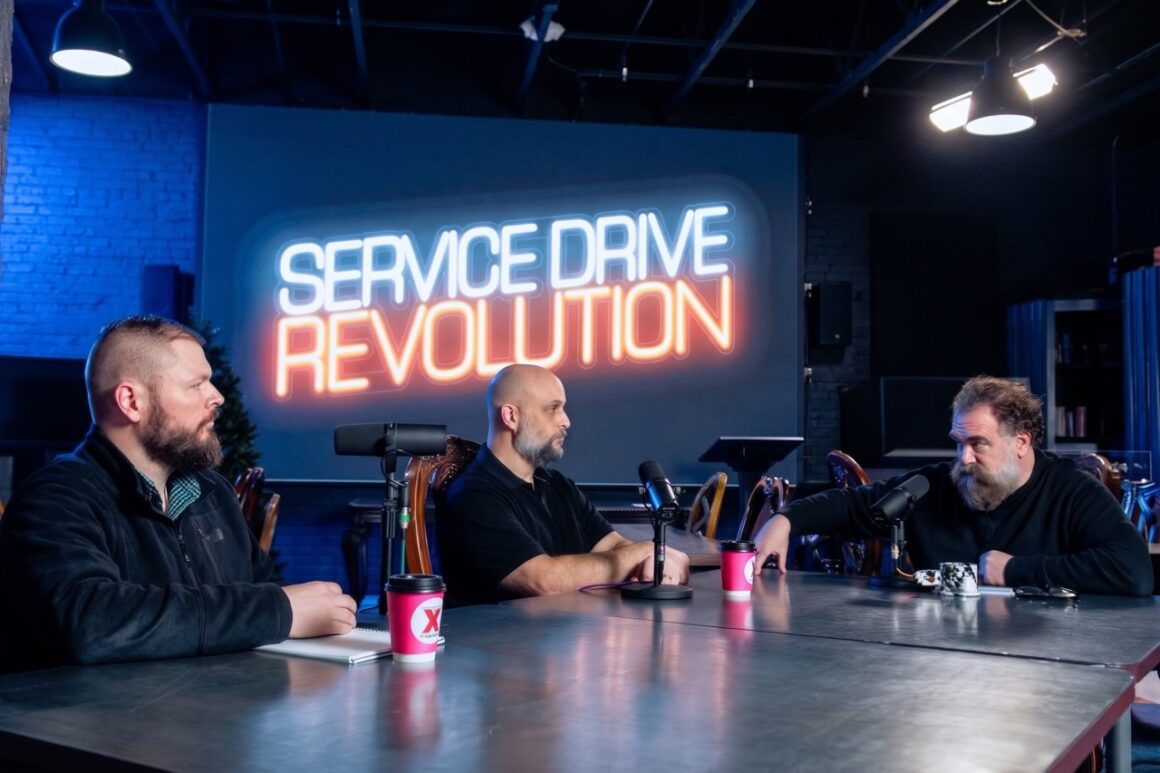
Staffing affects how quickly a service team can respond, as covered in how dealerships can survive the skilled technician shortage. For the full source, read How to Reduce Service Customer Defection in 2026 from Chris Collins Inc., which also runs the Service Drive Revolution (SDR) Live Academy for service teams.
FAQ
How does a dealership website affect automotive customer retention?
The website is often the first place an owner checks prices or books service. Chris Collins Inc. recommends showing menu prices for common maintenance and offering real-time booking with instant confirmations. Both remove doubt and friction that otherwise push owners toward independent repair shops after their warranty ends.
Why are phone hold times a retention problem?
Long holds frustrate customers before they arrive. Chris Collins Inc. cites research showing 60% of callers hang up after one minute on hold, and unanswered calls create a poor first impression. Online booking and better phone coverage give customers a faster way to reach the service department.
What should an online service booking tool include?
According to Chris Collins Inc., it should let customers pick their preferred service advisor, choose a transportation option such as a loaner, rideshare voucher or valet pickup, and receive an instant calendar confirmation. The goal is an easy booking that feels personal rather than transactional.
How can dealers re-engage customers who stopped coming in?
Use CRM data to identify lapsed customers and contact them with personal messages, free vehicle health checks or alerts about open safety recalls. Then make the return visit smooth and transparent, so the customer sees a real improvement over the experience that drove them away.