


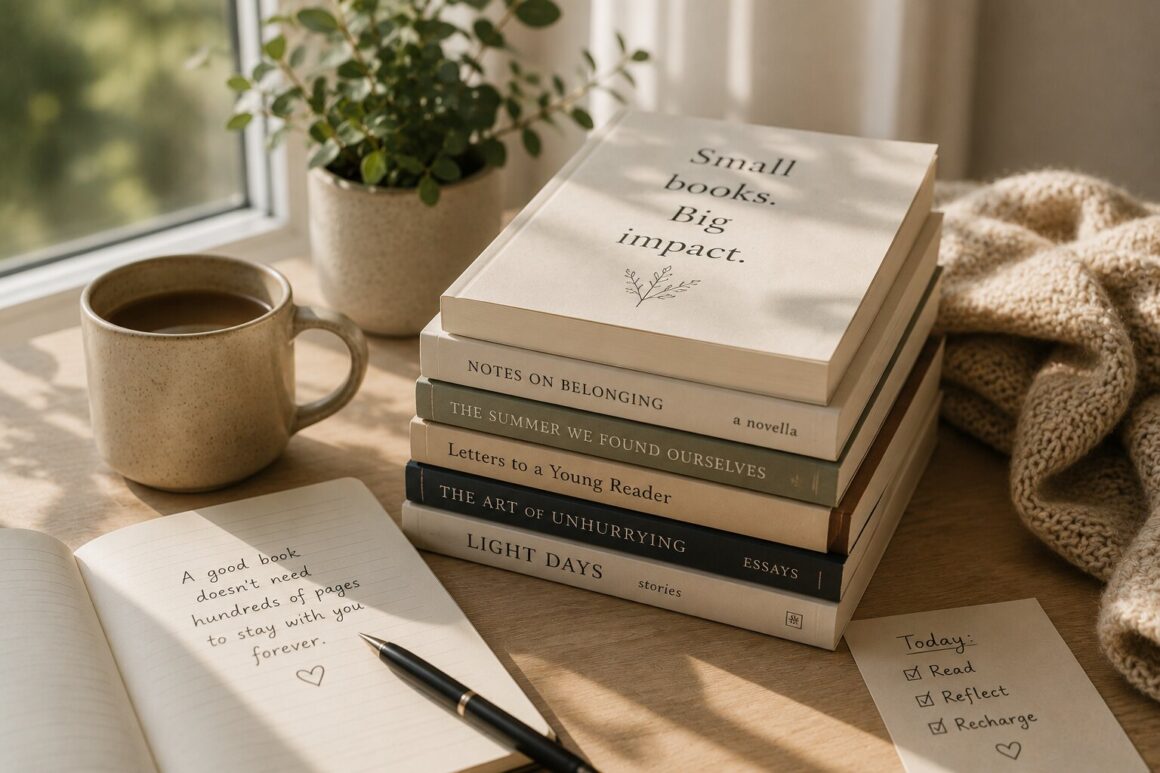
Short books are enjoying a resurgence as more readers look for practical ways to rediscover the joy of reading. Instead of feeling pressured to tackle lengthy novels, many people are turning to novellas, essay collections, short nonfiction, and compact literary fiction that can be finished in just a few sittings.
This shift is about more than saving time. Readers are realizing that completing a shorter book builds confidence, restores momentum, and reminds them why they loved reading in the first place. As a result, short books are becoming one of the simplest and most effective tools for overcoming a reading slump.
Why Do Reading Slumps Happen?
Almost every reader experiences a reading slump at some point. Sometimes it follows finishing an unforgettable novel. Other times, it comes from a busy schedule, stress, digital distractions, or simply choosing books that no longer match current interests.
Reading slumps rarely mean someone has stopped enjoying books altogether. More often, they signal that a reader needs a fresh approach rather than more discipline.
Today’s reading culture also places pressure on people to finish long series or ambitious yearly reading goals. When reading starts to feel like another task to complete, motivation naturally declines.
Why Are Short Books So Effective?
Short books remove much of the pressure that often accompanies reading.
Beginning a 150-page novella feels far less intimidating than committing to a 700-page novel. Readers can see steady progress after every chapter, making it easier to stay engaged.
Completing a book within a few days also creates a rewarding sense of accomplishment. That positive feeling often motivates readers to immediately begin another book, creating momentum that gradually rebuilds a consistent reading habit.
Rather than lowering expectations, short books make reading feel achievable again.
How Do Short Books Rebuild Reading Habits?
Reading habits depend heavily on consistency.
When readers successfully finish one book, they become more confident about starting another. That confidence gradually transforms occasional reading into a regular routine.
Many readers discover that reading twenty or thirty pages each day feels manageable when the overall book remains approachable.
This steady progress encourages long-term success without requiring dramatic lifestyle changes.
Readers who regain their reading momentum often begin exploring books that support personal growth and leadership alongside fiction. Fast-track your own personal growth by unlocking the ancient architecture of authority with the I AM LEADER limited-edition book set and master your innate potential.
Can Short Books Still Tell Powerful Stories?
Absolutely.
Some of literature’s most memorable works are relatively short. Great storytelling depends on emotional impact, memorable characters, and meaningful ideas—not page count.
Novellas, concise memoirs, essays, and literary fiction often deliver deeply moving experiences because every chapter serves a clear purpose.
Instead of including unnecessary subplots, shorter books tend to focus intensely on character development, emotional depth, and carefully chosen themes.
Readers frequently finish these books feeling surprised by how much meaning fits into relatively few pages.
Why Are Busy Readers Choosing Shorter Books?
Modern life leaves many people with limited uninterrupted reading time.
Work, family responsibilities, commuting, and constant notifications can make long reading sessions difficult to maintain.
Short books fit naturally into these realities.
Many can be enjoyed during lunch breaks, evening routines, weekend mornings, or while traveling. Readers appreciate knowing they can complete an entire story without investing weeks of reading time.
This flexibility makes reading feel less like a commitment and more like an enjoyable daily habit.
Has BookTok Changed How Readers View Short Books?
Online reading communities have helped redefine what counts as a satisfying reading experience.
Rather than focusing exclusively on lengthy fantasy series or annual reading challenges, many creators now recommend novellas and concise fiction as ideal choices for readers experiencing burnout.
Communities on BookTok frequently share recommendations for approachable books that can reignite excitement for reading without overwhelming new or returning readers.
These conversations have helped remove the misconception that longer books are always more rewarding.
Are Publishers Responding to This Reading Trend?
Publishers have noticed growing interest in shorter formats.
Many continue releasing novellas, brief nonfiction titles, essay collections, and compact literary fiction alongside traditional novels.
Bookstores have also become more intentional about showcasing quick reads and staff recommendations for readers looking to break a reading slump.
Organizations such as the American Booksellers Association continue highlighting the importance of offering diverse book formats that appeal to different reading preferences and lifestyles.
This wider selection makes it easier than ever for readers to find books that match both their interests and available time.
Why Does Finishing a Book Matter So Much?
Completing a book creates positive reinforcement.
Instead of focusing on how many pages remain, readers experience the satisfaction of reaching the final chapter.
That feeling builds confidence and reminds people that reading is enjoyable rather than stressful.
Over time, completing several shorter books often encourages readers to return to longer novels with renewed enthusiasm.
Rather than replacing lengthy books, shorter reads often become stepping stones back to them.
This approach also strengthens intentional reading habits and encourages reading for enjoyment instead of reading simply to meet goals.
You might also enjoy: Rooted in Strength: Joan Lunden and Stand Like Mountain
What Does This Trend Say About Modern Reading Culture?
The popularity of short books reflects a broader change in how readers define success.
Many people are moving away from measuring reading by page counts or annual totals. Instead, they prioritize enjoyment, consistency, and meaningful experiences.
Readers increasingly value books that fit naturally into their lives while still offering memorable stories and thoughtful ideas.
Organizations like the National Endowment for the Arts have long emphasized the importance of regular reading as part of cultural participation, regardless of format or length.
Short books demonstrate that meaningful reading does not require extraordinary amounts of free time.
Sometimes the smallest reading commitment creates the biggest lasting habit.
Frequently Asked Questions
What is a reading slump?
A reading slump is a period when someone temporarily loses motivation or struggles to finish books they would normally enjoy.
Why do short books help overcome reading slumps?
Short books feel less intimidating, provide quick accomplishments, and help readers rebuild confidence through achievable reading goals.
Are short books easier to finish?
Yes. Their shorter length makes them easier to complete while still offering engaging stories and meaningful ideas.
What types of short books are best for a reading slump?
Novellas, essay collections, memoirs, literary fiction, and concise nonfiction are all excellent choices for restarting a reading habit.
Can short books improve long-term reading habits?
Yes. Completing shorter books often creates momentum that encourages readers to maintain a consistent reading routine and eventually tackle longer works.
Are short books becoming more popular?
Yes. Many readers are choosing shorter books because they fit busy lifestyles while still delivering rewarding reading experiences.
Worth exploring: The Dark Classic That Sharpened Justin Halpern’s Comedy
Conclusion
Short books are proving that overcoming a reading slump doesn’t require forcing yourself through the longest novel on your shelf. Instead, they offer an approachable way to rebuild confidence, rediscover enjoyment, and establish sustainable reading habits.
As readers continue prioritizing quality over page count, shorter books are becoming an important part of modern reading culture. They remind us that meaningful stories come in every length—and sometimes the quickest read is exactly what reignites a lifelong love of books.